Knee Pain & Osteoarthritis Treatment in Mumbai — Pain Clinic of India

Medically Reviewed By
Dr. Kailash KothariMD Anesthesiology, Pain Medicine, FIAPM (Pain Medicine) · 30+ years experience
Last medically reviewed: June 2026
- No surgery required for many conditions
- Same-day procedures
- International training & advanced techniques
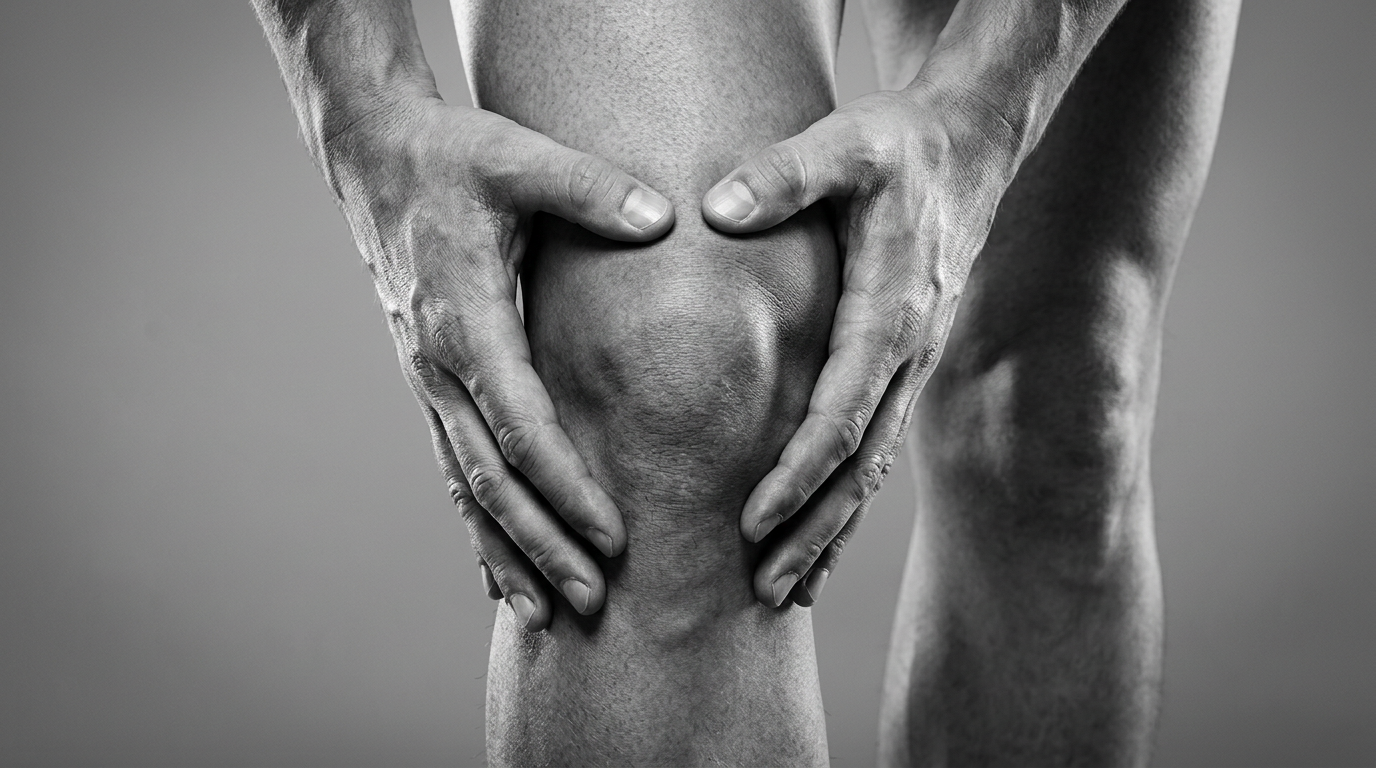
Knee pain is one of the most common pain complaints for which patients visit the doctor. Due to increasing social activities, the number of knee problems is increasing. Knee pain is not because of one cause but has a wide variety of causes, and many treatments exist. Prevention is always better than cure — we emphasise that preventive measures should be taken to delay knee OA as much as possible. There are different treatment options available at PCI including medicines, physiotherapy, taping, mobilisation, steroid injection, arthroscopy and surgery. Dextrose prolotherapy and other latest treatments are frequently considered the best non-surgical treatments as they promise healing from inside and long-lasting results.
Anatomy of the Knee
The main function of the knee is to bend and straighten for moving the body. It has various movements — hinge, twist and rotation. To perform all these actions we need bones, ligaments, tendons and cartilage. The knee joint involves three bones: above is the thighbone (femur), from below comes the tibia (calf area), and a knee cap in front (patella).
Ligaments are fibrous bands that connect bones to each other. There are 4 ligaments. The anterior cruciate ligament (ACL) and posterior cruciate ligament (PCL) stabilise the knee from front/back and during rotation. The medial collateral ligament (MCL) and lateral collateral ligament (LCL), located along the inner (medial) and outer (lateral) sides of the knee, provide medial and lateral stability to the knee. Tendons are fibrous bands similar to ligaments, but tendons connect muscles to bones.
Two important tendons are the quadriceps tendon connecting the quadriceps muscle (front of the thigh) to the patella, and the patellar tendon connecting the patella to the tibia. Cartilaginous structures called menisci lie in between the femur and tibia.
Menisci provide a cushioning effect for the knee joint. Fluid-filled bursae also cushion the knee — the prepatellar bursa (in front of the patella), the anserine bursa (on the inner side) and the infrapatellar bursa (located underneath the patella).
The symptoms of osteoarthritis are by and large brought on by damage or disease in the joints. They can also be brought about by wear and tear of the cartilage tissue. Irritation or joint inflammation can give rise to symptoms of osteoarthritis. Any harm or disease of the spine or cervical spine may lead to extension of the pain to the knee joints. X-ray or MRI is generally used to discover the cause of joint pain before planning knee joint pain treatment.
Knee Pain — Home Remedies
After any injury to the knee there is inflammation, which causes further injury, and further inflammation, and so on. This cycle of inflammation leads to unresolving knee pain. The goal of home remedies is to break this inflammation cycle by medications or other therapies and by limiting further injury to tissue.
Some common home-care remedies are protection, rest, ice, compression and elevation. Among medications, commonly used over-the-counter medications such as nonsteroidal anti-inflammatory drugs (NSAIDs) like naproxen and ibuprofen are used in the treatment of knee pain.
They are anti-inflammatory and, like all medications, these drugs have potential side effects. Don't use these if you have a problem with:
- Bleeding
- Stomach ulcers
- High blood pressure
- Kidney disease
Paracetamol, though not an anti-inflammatory medication, may be used in many cases with good efficacy.
When to Call the Pain Management Doctor about Knee Pain?
If you have to take any of these medications for more than seven days, you should have your knee pain evaluated by a healthcare professional. When you don't have relief from home remedies, call a pain physician. The necessity of osteoarthritis medications like additional painkillers or drugs absolutely depends upon the severity of the joint pain. Prolotherapy is used if there is injury to the tendons or ligaments which causes the joint pain.
When should you report to a doctor immediately?
- A traumatic injury to rule out fracture — many fractures may require immobilisation in a specific position or surgery.
- Fever — to rule out infection.
- Unbearable pain.
- Swelling, if you are on a blood thinner (warfarin or Coumadin) or have a bleeding disorder (such as haemophilia).
- Swelling that is associated with redness and the knee feeling warm.
X-rays, MRI and CT scans might be prescribed for in-depth analysis and diagnosing the injury and planning further management.
Prolotherapy
Prolotherapy or proliferative treatment is an extremely effective and time-tested procedure for treating joint pain. It is a non-surgical osteoarthritis medication strategy which incorporates injection in and around the tendons, joints and ligaments with a regenerative irritant solution. The 5-point injection technique specially developed by Dr. Kailash Kothari is extremely effective in resolving knee pain.
It helps in reinforcing the damaged tissues by utilising the body's own healing power, thereby curing the injured tissue. For this reason, prolotherapy is becoming very popular among patients and doctors all over the globe.
Synovial Fluid Replacement Therapy
With degeneration and traumatic injuries, synovial fluid inside the joint is damaged. This makes the joint degenerate faster. In synovial fluid replacement therapy (viscosupplementation), under local anaesthesia, synthetic fluid with similar properties is injected. This is also a very effective non-surgical therapy for chronic knee pain patients.
Knee pain treatment in Mumbai at Pain Clinic of India combines regenerative and interventional techniques. The section above reflects the legacy knee OA page (anatomy, home care, prolotherapy, viscosupplementation); below are PCI treatment options in more detail.
Treatment options at Pain Clinic of India
PRP Therapy (Platelet-Rich Plasma)
PRP therapy uses the patient's own blood, processed to concentrate growth factors and platelets, which are then injected into the knee joint. These growth factors may stimulate cartilage repair and reduce inflammation, providing natural healing and pain relief.
Genicular Nerve Radiofrequency Ablation
This procedure targets the small nerves that transmit pain signals from the knee joint. By applying radiofrequency heat to these nerves, pain transmission is interrupted, providing 6-12 months of significant relief. The procedure does not affect knee movement or strength.
Viscosupplementation
Hyaluronic acid injections into the knee joint can improve lubrication and cushioning, reducing friction and pain with movement.
Why Choose PCI for Knee Pain?
Our multi-modal approach combines the benefits of regenerative therapy (PRP) with interventional techniques (nerve ablation) to provide comprehensive knee pain management. This approach has helped many of our patients avoid or significantly delay knee replacement surgery.
Book Your Consultation
Call +91-7303142400 to explore non-surgical knee pain treatment options at Pain Clinic of India.
Frequently asked questions about knee pain & osteoarthritis treatment
Medical references
This page is informed by guidance from the following authoritative medical sources: