Complex Regional Pain Syndrome (CRPS) Treatment — Pain Clinic of India

Medically Reviewed By
Dr. Kailash KothariMD Anesthesiology, Pain Medicine, FIAPM (Pain Medicine) · 30+ years experience
Last medically reviewed: June 2026
- No surgery required for many conditions
- Same-day procedures
- International training & advanced techniques
Complex Regional Pain Syndrome (CRPS I & II) — Previously RSD
What is Complex Regional Pain Syndrome (CRPS)?
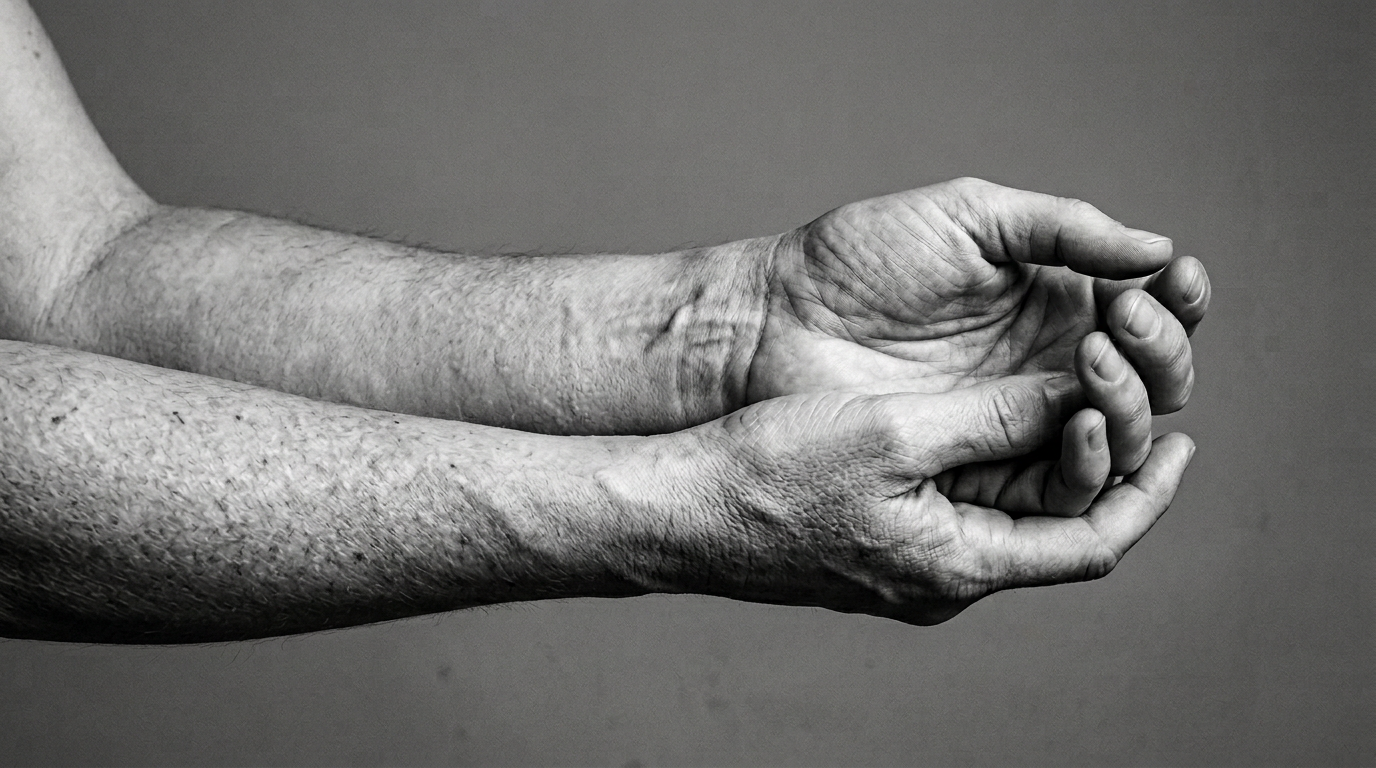
Most injuries heal by themselves. Sometimes post-injury pain may remain for more than 3 months and is associated with swelling, redness and skin changes. This is called Complex Regional Pain Syndrome or CRPS. This is also called Reflex Sympathetic Dystrophy or RSD.
CRPS may also develop after surgery, a heart attack, a stroke or other medical problem.
The pain may be a burning sensation and is out of proportion to what is expected for the injury.
Symptoms include
- “Burning” pain in your arm, leg, hand or foot.
- Skin sensitivity.
- Changes in skin temperature, colour and texture. Skin may be sweaty, cold or warmer than normal. Skin colour changes are also commonly seen and may be white or mottled to red or blue. Skin is hypersensitive (allodynia) — sensitive to touch, gust of air, or movement may be painful. Skin may be thin or shiny in the affected area.
- There are changes in hair and nail growth.
- We also see joint stiffness, swelling and damage. Along with these, muscle spasms, weakness and muscle loss (atrophy) is also seen.
CRPS can be:
- Type I (RSD) — no direct injury to nerves.
- Type II (Causalgia) — following a distinct nerve injury.
When to see a Pain Physician at PCI
When you experience constant, severe pain with all or some of the signs and symptoms mentioned above.
It's important to treat complex regional pain syndrome early. Early treatment can reverse the condition.
Rarely we see complex regional pain syndrome spreading from its original affected area to other parts of the body — this is called continuity type CRPS.
Diagnosis
It's important to note that diagnosis is based on a physical exam and medical history.
Investigations that may help in diagnosis are:
- Bone scan.
- Sympathetic blocks for diagnostic purpose — we have sympathetic nerves in the body running along the vertebral column. An image-guided injection of local anaesthetic can relieve the pain and reverse the symptoms of CRPS. It helps in improving the blood flow and improving the temperature. Once the diagnostic test is positive, radiofrequency ablation of these nerves may be planned for longer-term relief.
- X-rays — in late stages, the bones look fragile and transparent due to loss of minerals.
Management
Early treatments may provide dramatic relief. The best approach is a combination of various treatments. Treatment options include:
Medications
- Nonsteroidal anti-inflammatory drugs (NSAIDs) — relieve pain and inflammation.
- Antidepressants and anticonvulsants — for pain coming from a damaged nerve (neuropathic pain).
- Corticosteroids — may reduce inflammation.
- Alendronate and calcitonin.
- Opioid medications for severe pain.
Therapies
- Applying heat and cold.
- Topical analgesics.
- Physical therapy.
- Sympathetic nerve-blocking medication.
- Biofeedback. In some cases, learning biofeedback techniques may help. In biofeedback, you learn to become more aware of your body so that you can relax your body and relieve pain.
- Spinal cord stimulation.
At Pain Clinic of India, Dr. Kailash Kothari manages CRPS with a comprehensive, multi-modal approach combining interventional procedures and rehabilitation. The block above reflects the legacy site overview; below is our PCI treatment focus.
Treatment focus at PCI
Sympathetic Nerve Blocks
Stellate ganglion blocks (for upper limb CRPS) and lumbar sympathetic blocks (for lower limb CRPS) can provide significant pain relief and are often the first-line interventional treatment.
Spinal Cord Stimulation
For CRPS that does not respond adequately to nerve blocks and rehabilitation, spinal cord stimulation is a proven treatment option with strong evidence supporting its effectiveness.
Book Your Consultation
Early treatment is critical in CRPS. Call +91-7303142400 to schedule an urgent evaluation.
Frequently asked questions about complex regional pain syndrome (crps) treatment
Medical references
This page is informed by guidance from the following authoritative medical sources: